CIPROS7

Cleaning Topics

Membrane Foulants

During continuous operation of the RO systems, the reverse osmosis or nanofiltration elements can become fouled by suspended or partially soluble materials from the feedwater. Fouling is progressive and needs to be removed from the elements through an effective chemical cleaning procedure. CIPROS7 ™ provides you with all information you need to perform a successful CIP and Sanitization of your system.
The foulants can be combined, and the most common fouling and scaling are:


Supersaturation of sparingly soluble inorganic salts as calcium carbonate, barium sulfate, strontium sulfate, and calcium sulfate.

Inorganic and organic colloidal materials as clays and colloidal silica.

Metal oxide and Hydroxides as iron, manganese, copper, aluminum, zinc, copper, and nickel.

Organic material (Natural Organic Matter).

Biological as algae, mold, fungi, and bacterial bio-slime. Biofouling occurs most frequently in systems operating on surface waters and seawater.

Chemical foulant results from feeding incompatible chemicals ahead of RO systems as cationic polymers.

Polymerized silica scale is challenging to remove, requiring the use of corrosive and dangerous cleaners as ammonium bifluoride.

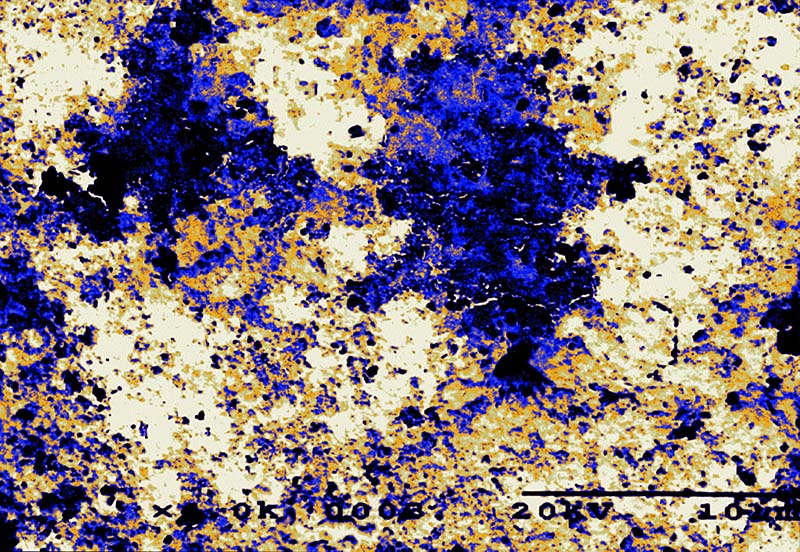
Colloidal Fouling
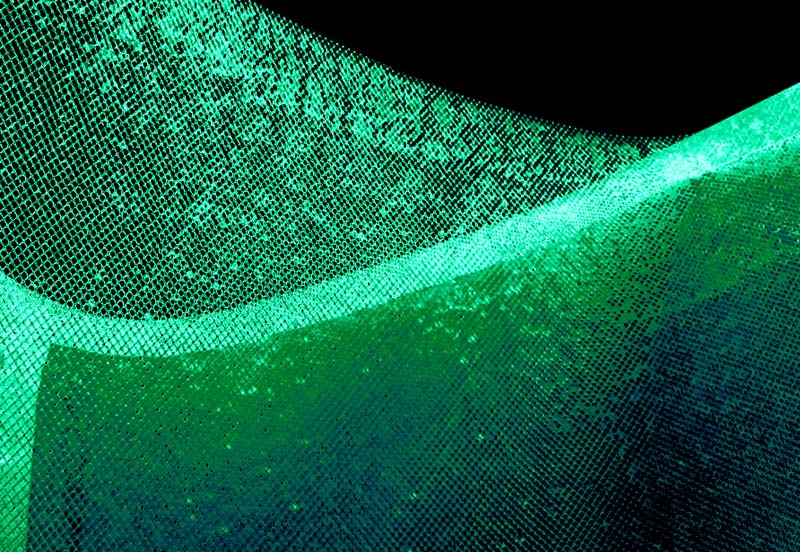
Feed Spacer with biofilm

Besides causing normalized permeate drop, the foulant materials plug the feed element channels. They will deposit on the membrane surface and feed spacers, increasing the normalized ∆P (Feed Pressure minus Concentrate Pressure), feed pressure, and membrane salt passage.

Question 8 of CIPROS7 ™ program, the possible foulant cause or the array you will clean, can be responded to after looking at the information below. It will assist you in determining the foulant cause in the stage:


Foulants Stage Delta P Permeate Quality Feed Pressure
Colloids & Particulates 1st Steady/Increase Steady/Decrease Steady/Increase
Biofouling & Organics All Increase Steady/Decrease Increase
Silica Last Increase Decrease Increase
Metals - Oxides & Hydroxides (Fe, Al, Mn) 1st Sudden Increase Sudden Decrease Sudden Increase
Scale - (BaSO4, SrSO4, CaSO4, CaCO3) Last Steady/Increase Steady/Decrease Steady/Increase

When you must clean your membranes:


Before a long term shut down period.

Routine maintenance.

The normalized permeate flow drops 10 – 15%.

The normalized salt passage increases 10%.

The normalized pressure drop increases 10 – 15%.

Note that all these parameters must be normalized and compared to the initial startup normalized ones. If normalized membrane performance drops more than 30%, it may be impossible to fully restore the performance to startup conditions with new elements installed.

As a result of the cleaning frequency increase, you will have more significant downtime, short element life, and higher operating costs if you are cleaning your system as below:


Once every 3 to 12 months, it means the RO pretreatment and the CIP procedures have been effective.

More than once a month, you shall improve the RO pretreatment and chemical cleaning procedures.

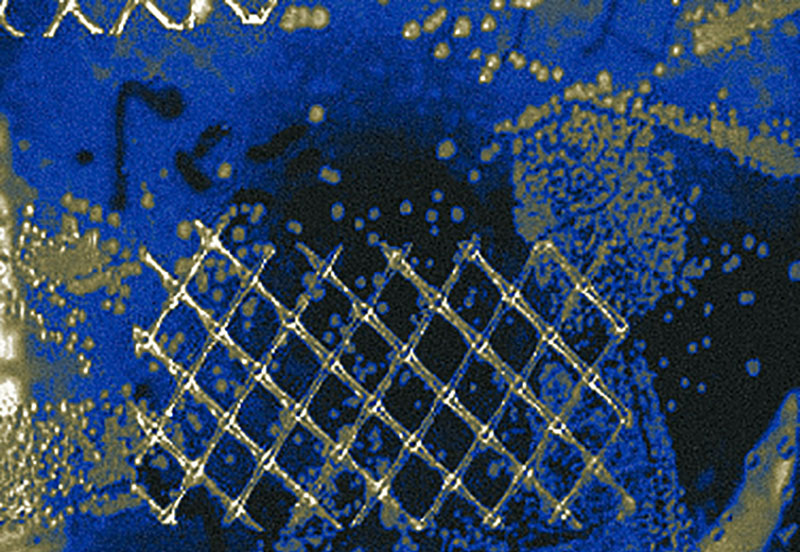
Bacteria on the brine spacer

Usually, an ineffective CIP occurs when you:


Use low-quality cleaners.

Follow a poor cleaning procedure.

Have an undersized CIP unit.

Wait too long to perform a CIP in your system.

The CIPROS7 ™ program is an excellent tool and will support you with the best cleaning procedure for your RO system!